The Indian stock market has evolved significantly over the past few decades. Earlier, investors received paper share certificates as proof of ownership whenever they purchased shares. While this system worked, it came with several challenges, including the risk of loss, theft, forgery, and lengthy paperwork. To overcome these issues, the concept of dematerialization was introduced.
Today, almost all stock market investments are held electronically through a Demat account, making investing safer, faster, and more convenient. But what exactly is dematerialization, and why is it so important for investors?
In this article, we’ll explain the meaning of dematerialization, how the process works, its benefits, and why it has become an essential part of modern investing.
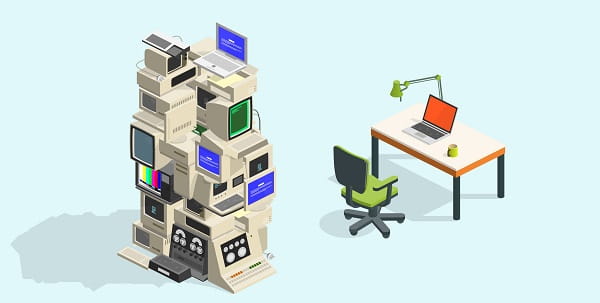
What Is Dematerialization?
Dematerialization is the process of converting physical share certificates into electronic (digital) form. Once the conversion is complete, the physical certificates are replaced with electronic records stored in a Demat account.
Instead of holding paper documents, investors own their securities digitally, making them easier to manage and transfer.
Today, most stock market transactions in India are conducted electronically, and newly purchased shares are directly credited to a Demat account.
Why Was Dematerialization Introduced?
Before the introduction of Demat accounts, investors faced several problems with physical share certificates.
Some of the common issues included:
- Loss or theft of certificates
- Damage due to fire, water, or wear and tear
- Fake or forged certificates
- Delays in ownership transfer
- Lengthy paperwork
- High administrative costs
- Difficulty in storing certificates safely
Dematerialization solved these problems by introducing a secure electronic system for holding securities.
How Does Dematerialization Work?
The dematerialization process involves converting physical certificates into digital records.
Here is a simplified overview:
Step 1: Open a Demat Account
The investor opens a Demat account through a registered Depository Participant (DP), such as a stockbroker or bank.
Step 2: Submit Physical Share Certificates
If the investor owns physical share certificates, they submit them along with the required dematerialization request.
Step 3: Verification Process
The Depository Participant verifies the documents and forwards the request for processing.
Step 4: Electronic Conversion
Once the request is approved, the physical certificates are cancelled, and equivalent electronic securities are credited to the investor’s Demat account.
From that point onward, ownership is maintained digitally.
Where Are Dematerialized Shares Stored?
Electronic securities are stored by India’s two securities depositories:
- National Securities Depository Limited (NSDL)
- Central Depository Services Limited (CDSL)
These depositories maintain secure electronic records of investor holdings, while brokers act as Depository Participants that provide access to Demat accounts.
Benefits of Dematerialization
Dematerialization has transformed investing by offering several important advantages.
1. Greater Security
Electronic records eliminate the risks associated with physical certificates, such as:
- Theft
- Loss
- Damage
- Misplacement
Investments remain securely recorded in your Demat account.
2. Faster Transactions
Buying, selling, and transferring shares becomes much quicker because everything is processed electronically.
This significantly reduces settlement delays.
3. Reduced Paperwork
Investors no longer need to maintain physical certificates or complete extensive paperwork for every transaction.
Digital records simplify portfolio management.
4. Easy Portfolio Management
A Demat account allows investors to view all their holdings in one place.
This makes it easier to:
- Monitor investments
- Track portfolio performance
- Manage multiple securities
5. Faster Corporate Benefits
Corporate actions such as:
- Dividends
- Bonus shares
- Stock splits
- Rights issues
are generally credited electronically to eligible investors, making the process more efficient.
6. Lower Risk of Fraud
Electronic ownership records reduce the possibility of forged certificates or duplicate share documents.
Why Is Dematerialization Important?
Dematerialization plays a critical role in today’s financial markets.
Its importance includes:
Improved Investor Confidence
Knowing that investments are stored electronically under regulated systems gives investors greater confidence.
Efficient Market Operations
Electronic settlement allows stock exchanges to process millions of transactions quickly and accurately.
Better Record Keeping
Digital records reduce human errors and improve transparency.
Convenient Investing
Investors can buy and sell shares from anywhere using online trading platforms without handling physical documents.
Can You Buy Shares Without Dematerialization?
In today’s market, most listed shares are traded electronically through Demat accounts.
For retail investors, a Demat account is generally required to receive and hold shares purchased through stock exchanges.
This electronic system has become the standard method of holding securities in India.
Is Dematerialization Safe?
Yes. Dematerialized securities are maintained through regulated depositories using secure electronic systems.
Additional safety features include:
- Two-factor authentication (2FA)
- OTP verification
- Encrypted login systems
- Regular account statements
- SMS and email transaction alerts
Investors should also follow good security practices by protecting their passwords and avoiding sharing login credentials.
Dematerialization vs Physical Share Certificates
| Physical Certificates | Dematerialized Shares |
| Paper documents | Electronic records |
| Risk of theft or loss | Secure digital storage |
| Time-consuming transfers | Faster electronic transfers |
| Extensive paperwork | Minimal paperwork |
| Difficult storage | Easy online access |
| Higher risk of forgery | Reduced fraud risk |
The advantages of electronic holdings have made physical share certificates largely obsolete.
Common Misconceptions About Dematerialization
Myth 1: Dematerialization changes ownership.
Reality: It only changes the format of holding—from paper to electronic. The investor remains the legal owner.
Myth 2: Electronic shares are less secure.
Reality: Electronic securities are maintained by regulated depositories with strong security systems and are generally safer than physical certificates.
Myth 3: Dematerialization is only for active traders.
Reality: Long-term investors also benefit from safer storage, easier management, and quicker receipt of corporate benefits.
Conclusion
Dematerialization has revolutionized the way investors hold and manage securities. By replacing physical share certificates with secure electronic records, it has made investing safer, faster, and more efficient. Investors no longer need to worry about losing certificates, dealing with paperwork, or facing delays in transfers.
With shares stored electronically through National Securities Depository Limited (NSDL) or Central Depository Services Limited (CDSL), managing investments has become more convenient than ever. Whether you’re a beginner or an experienced investor, understanding dematerialization is essential for making the most of today’s digital investment ecosystem.
FAQs
Q: What is dematerialization of shares?
A: Dematerialization is the process of converting physical share certificates into electronic records that are stored in a Demat account.
Q: Why is dematerialization important?
A: It improves security, reduces paperwork, speeds up transactions, minimizes fraud risks, and makes managing investments much easier.
Q: Where are dematerialized shares stored?
A: They are stored electronically by either National Securities Depository Limited (NSDL) or Central Depository Services Limited (CDSL) through your Depository Participant.
Q: Can I sell physical share certificates directly?
A: Most listed securities are now traded electronically, so physical certificates generally need to be dematerialized before they can be sold through the stock exchange.
Q: Is dematerialization mandatory for stock market investing?
A: For most listed securities traded on Indian stock exchanges, a Demat account is required to hold and transact in shares electronically.