Zara is a globally renowned Spanish brand of clothing and accessories, and also the largest manufacturer of clothes in the world. The company disrupted the fashion world in the 1980s by pioneering the model of fast-fashion. Zara is one of the most popular fast-fashion brands in the world, recognised for its ability to produce and distribute new designs within 1-2 weeks, as opposed to the industry average of 6 months. It focuses on affordable, on-trend clothing, accessories, beauty products and perfumes for men, women and children. Zara maintains high growth and strong profit margins primarily through agile supply chains and customer insights. It operates as a flagship brand of Inditex, a Spanish multinationals fashion house. Are you interested in learning about the strategies that have contributed to Zara’s success in an ever-evolving fashion market? Or about its revenue streams? Let’s undertake a succinct analysis of the company.
Zara’s Unique Business Model
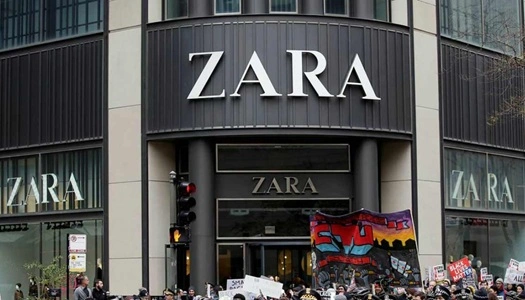
Zara’s core strength lies in its ability to design, produce and deliver new collections in a matter of weeks, instead of months taken by its competitors. Seasonal collections are planned even 9-12 months in advance. The brand is proficient in spotting fashion trends with the help of real-time data from stores, social media platforms and runaway shows. Trends are spotted and turned into products within weeks. This fast-fashion model enables the brand to keep it offerings latest and relevant, while seamlessly responding to changing fashion trends and customer preferences. An in-house team of around 700 designers creates more than 10,000 designs in a year.
Zara doesn’t outsource a majority of its production to Asia and other far offshore locations. The brand produces around 60% of its offerings in its own facilities located in Spain, Portugal, Turkey, Tunisia and Morocco. Since most of the production takes place in Europe, Zara is able to quickly and continuously change designs in accordance with the dynamic trends.
Zara manufactures in small batches, with a production capacity of even few hundred units per style or colour. This strategy allows it to increase or decrease/suspend production, depending upon sales figures. Moreover, low production leads to high turnover ratio since limited supply creates a sense of urgency among the customers.
Zara targets budget-conscious customers with affordable but trendy clothing, accessories and other products. Initial markup on its products is not more than 50-60%, with limited markdowns due to limited production.
| Company | Inditex S.A. (Parent Company) |
| Establishment Year | 1975 |
| Founder | Amancio Ortega, Rosalia Mera |
| Headquarters | Arteixo, Spain |
| Industry | Retail |
| Net Worth | $19.4 billion |
| Revenue In 2024 | $30.27 billion |
How Does Zara Makes Money?
1. Product Sales
Zara earns the bulk of its revenue through product sales via its network of more than 5500 stores across 86 countries and online retail channels. The brand sells more than 450 million products each year. 80-85% of the items are sold at full price. Furthermore, very low markdowns lead to high gross margins.
Zara generates around $13 billion from product sales on an average, which makes it one of the top 3 largest fast fashion brands in the world.
2. Low Inventory Costs
Zara produces items in small batches. Moreover, the design-to-store cycle is very quick. Consequently, the company saves a lot on inventory management, with almost no obsolete stocks and lower write-offs.
3. Vertical Integration
Zara’s vertical integration model allows it to control the design, production, distribution and management of its products. This leads to significant cost savings.
4. Minimal Advertising Spend
Zara’s advertising spend is almost negligible. The brand relies on prime store locations, catalogues, its logo retail bags and word-of-mouth publicity to reach its target consumers.
What Are The Latest Updates?
Zara is experimenting with carbon-captured materials and dyes, as a part of its sustainability initiatives. The brand is capitalising on the skiing trend through its retro winter collection.
Zara has opened a huge flagship store in Nanjing, China. The store features a cafe and content creation studio. This move is being seen as a part of the brand’s effort to rejuvenate its retail network in China amidst store closures.
Despite Inditex’s exit from Russia in the year 2022 due to Ukraine war and sanctions, Zara-branded products have reappeared in the Russian market through third-party sellers. However, the company maintains that it has not re-entered Russia.