Credit Cards enable you to borrow money to pay for goods, services or utility bills, up to pre-determined limit. Instead of paying with your own money immediately, you are essentially taking a short-term loan from the card issuer. They are primarily issued by banks, credit unions and select non-banking financial companies or NBFCs. Credit cards not only facilitate smooth financial transactions but incorporate a robust ecosystem which integrates reward programs, credit building opportunities and fraud protection measures. There are multiple kinds of credit cards, such as reward cards, balance transfer cards, secured cards, student cards and others. Credit cards offers flexibility and convenience, while driving revenue streams for financial institutions. You might be using a credit card but have little to no idea about credit card companies work or how do they earn revenue. Read on to find out.
Credit Card Ecosystem and Business Model
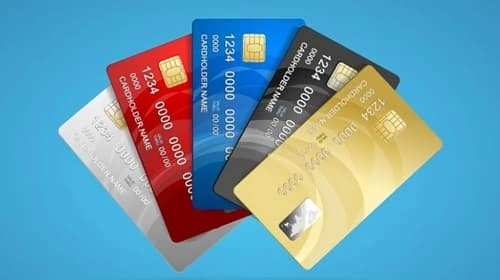
Credit cards are issued by large national banks, credit unions or financial institutions. Some examples include HDFC Bank, ICICI Bank, Citi Bank, YES Bank and American Express. They issue credit cards to individuals on the basis of credit worthiness and other factors, set credit limits, send bills, collect payments from the card holders and earn profits from the cards.
Acquiring banks partner with the merchants to process credit card payments. An acquiring bank works on the merchant’s side. It provides payment terminal and other financial infrastructure to the merchant to conduct the transactions and pays the payment amounts to the merchant.
Credit Card networks are companies like Visa, MasterCard, American Express, RuPay and others that serve as the bridge between the acquiring banks and issuing banks. Such companies route, authorise, clear and settle credit card transactions. Acquiring and Issuing banks work with credit card networks, instead of each other, to fulfil credit card transactions.
Banks and other issuers frequently offer cashbacks, discounts, rewards and other incentives on credit card usage. The purpose is to encourage credit card holders to maximise spending through their credit cards.
Credit card industry is monitored by regulatory bodies like Reserve Bank of India. Such bodies set guidelines for the credit card industry and ensure the implementation of the same.
How Do Issuers Make Money?
1. Interchange Fees
Interchange fees is paid by the merchants for every credit card transactions. Rates range between 1.51-2.70% of the transaction value. This is the biggest revenue source for credit card issuers, accounting for 55-70% of the total revenue.
2. Revolving Interest and Annual Fees
Issuers earns revenue from interests charged on balances that the card holders fail to pay off on their bills.
Annual fees charged directly to premium cardholders also contribute to the revenue.
3. Late Payment Fees and Foreign Transaction Fees
Issuers generate revenue through late payment fees charged to the cardholders who miss the due dates for settling their credit card bills.
Foreign transaction fees charged on purchases made outside the issuer’s home country is another revenue source.
How Do Acquiring Banks Make Money?
1. Merchant Discount Fees
Acquiring banks pay the transaction amounts to the merchants. However, they earn revenue by deducting a certain amount from the total transaction value, which is known as merchant discount fees. Essentially, the merchant discount fees is paid by the merchant to the acquirer bank.
MDF accounts for 65-80% of the total revenue earned by an acquiring bank.
2. PoS Terminal Sales and Other Fees
Acquiring banks generate revenue by selling point-of-sales terminals to the merchants. Other types of fees like online payment gateway fees, monthly account fees, PCI compliance fees, statement fees and others also generate revenue.
3. Merchant Settlement Cycle Interest
Acquiring banks settle the transactions made through the PoS terminals of its partner merchants at regular intervals. During this period, the acquiring banks earn interest on the money through investments in short-term investment funds or bonds.
How Do Credit Card Networks Make Money?
1. Assessment Fees/Network Fees
Credit card networks earn revenue by charging the acquiring banks a certain percentage of every transaction volume processed on the network. Typical rates range between 0.11-0.15% of transaction volume. The fee is charged for routing and settling the transactions.
2. International Transaction Fees
Credit card networks earn revenue from fees charged on cross-border transaction processing and currency conversion activities.
3. Annual Fees
Acquiring banks and Issuers pay an annual fee to use a network’s technology and brand name.