Yes — ethical investing is now very much possible in India through both ESG-focused mutual funds and Shariah-compliant investment products.
In 2026, more Indian investors are no longer asking only:
“How much return will I get?”
They are also asking:
- Where is my money being invested?
- Does the company follow ethical practices?
- Am I indirectly supporting harmful industries?
- Can my investments align with my personal values or religious beliefs?
This shift has led to growing interest in ethical investing categories such as:
- ESG mutual funds
- Shariah-compliant funds
- Sustainable investing products
- Socially responsible investing (SRI)
Although ethical investing is still smaller compared to mainstream investing in India, the ecosystem has expanded significantly in recent years.
What Is Ethical Investing?
Ethical investing means selecting investments based not only on financial returns but also on certain moral, environmental, social, or religious principles.
Different investors define “ethical” differently.
Some may avoid:
- Tobacco
- Alcohol
- Gambling
- Weapons
- Polluting industries
Others may prioritize:
- Clean energy
- Good corporate governance
- Worker welfare
- Religious compliance
What Are ESG Mutual Funds?
ESG stands for:
- Environmental
- Social
- Governance
ESG investing evaluates companies not only on profits but also on broader responsibility standards.
Environmental Factors
Includes:
- Pollution control
- Climate impact
- Renewable energy usage
- Sustainability practices
Social Factors
Includes:
- Employee welfare
- Diversity
- Human rights practices
- Consumer protection
Governance Factors
Includes:
- Board transparency
- Ethical management
- Shareholder treatment
- Corruption control
ESG Mutual Funds in India
Several Indian mutual fund houses now offer ESG-oriented schemes.
These funds generally invest in companies considered stronger on sustainability and governance parameters.
The Securities and Exchange Board of India also increased ESG disclosure requirements for listed companies over time through Business Responsibility and Sustainability Reporting (BRSR) frameworks.
Official website: https://www.sebi.gov.in/
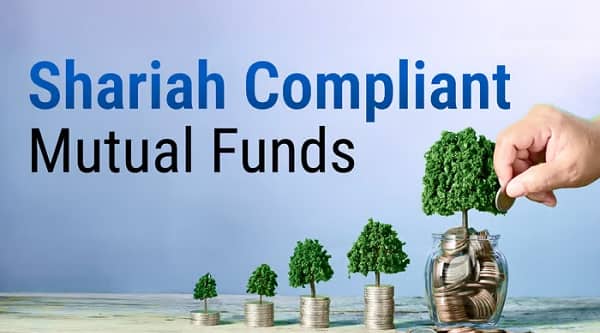
What Are Shariah-Compliant Mutual Funds?
Shariah investing follows Islamic financial principles.
The main idea is to avoid investments in businesses considered non-permissible under Islamic guidelines.
Typically avoided sectors include:
- Alcohol
- Gambling
- Conventional interest-based banking
- Tobacco
- Adult entertainment
- Certain speculative activities
Shariah investing also emphasizes lower debt structures and ethical business practices.
How Shariah Screening Works
Shariah-compliant funds usually follow specific screening criteria involving:
- Business activity screening
- Financial-ratio screening
- Debt limitations
- Interest-income limitations
Specialized Shariah advisory boards or screening agencies may help evaluate compliance.
Are Shariah Funds Legal and Available in India?
Yes.
India has Shariah-compliant mutual fund offerings and indices operating within Indian financial regulations.
These products function under the same mutual fund regulatory framework while following additional religious-compliance filters.
Example of Shariah-Compliant Indices
India has indices such as:
- Nifty500 Shariah
- Nifty50 Shariah
which filter companies based on Shariah screening methodologies.
NIFTY 50 also has Shariah variants for Islamic investors.
Ethical Investing Does Not Mean “No Profit”
This is a common misconception.
Many ethical funds still invest in large profitable businesses.
The main difference is:
- Selection filters
- Exclusion criteria
- Sustainability focus
Returns may sometimes outperform or underperform mainstream markets depending on market cycles.
ESG Investing Became More Popular Globally
Worldwide investors increasingly began focusing on:
- Climate change
- Corporate scandals
- Sustainability risks
- Governance failures
As a result, ESG investing grew rapidly internationally.
India also saw rising interest especially among younger investors and urban professionals.
Why Some Investors Prefer Ethical Funds
Personal Values Alignment
People want investments matching their beliefs.
Religious Compliance
Important for faith-based investing.
Sustainability Concerns
Climate and social responsibility matter increasingly.
Governance Awareness
Corporate frauds made governance quality more important.
But Ethical Investing Also Has Criticism
This area is not perfect.
ESG Ratings Can Differ
Different agencies may score the same company differently.
“Greenwashing” Concerns Exist
Some companies market themselves as sustainable without meaningful action.
Ethical Definitions Vary
One investor’s “ethical” company may not satisfy another investor’s standards.
Sector Restrictions Affect Diversification
Certain ethical filters reduce investment universe size.
Shariah Funds Avoid Some Major Sectors
For example, conventional banking stocks often get excluded because of interest-based operations.
This changes portfolio composition significantly.
As a result:
- Performance patterns may differ from broad-market funds.
ESG Funds May Still Invest in Large Corporates
Some investors expect ESG funds to contain only “green companies.”
But many ESG portfolios still hold large established corporations if they score relatively well on ESG frameworks.
Expense Ratios Matter Too
Investors should still check:
- Expense ratio
- Fund consistency
- Portfolio concentration
- Risk profile
Ethical branding alone should not replace proper investment evaluation.
Passive Ethical Investing Is Also Growing
India now has:
- ESG index funds
- ESG ETFs
- Shariah index products
This allows lower-cost ethical investing approaches.
Taxation Remains Similar
Ethical mutual funds generally follow standard mutual-fund taxation rules applicable to their category.
Tax benefits do not automatically arise merely because a fund is ESG or Shariah-compliant.
Can Ethical Investing Reduce Risk?
Sometimes governance-focused investing may reduce exposure to companies with poor management practices.
However:
- Ethical investing does not eliminate market risk
- ESG funds can still fall sharply during bear markets
Younger Investors Drive Ethical Investing Growth
Urban millennials and Gen Z investors increasingly prioritize:
- Sustainability
- Climate awareness
- Social responsibility
- Ethical consumption
This trend also influences investment behavior.
How to Choose an Ethical Fund Carefully
Read Portfolio Holdings
Do not rely only on fund names.
Understand Screening Methodology
Different ESG and Shariah frameworks vary.
Check Long-Term Consistency
Avoid trend-chasing products.
Compare Expense Ratios
High fees reduce long-term returns.
Verify Regulatory Registration
Choose properly regulated mutual funds.
What Financial Experts Recommend
Most advisors suggest:
- Ethical investing should still fit overall financial goals
- Diversification remains important
- Emotional satisfaction should not replace risk analysis
- Long-term discipline matters more than marketing labels
Is Ethical Investing Becoming Mainstream in India?
Not fully yet, but growth is visible.
As financial awareness expands, more Indian investors are beginning to care about:
- Sustainability
- Corporate ethics
- Religious compliance
- Long-term governance quality
This trend will likely continue growing.
Final Thoughts
Ethical investing in India is no longer a niche concept. In 2026, both ESG mutual funds and Shariah-compliant investment products provide meaningful options for investors who want their money aligned with personal values, sustainability concerns, or religious principles.
These investments are not automatically better or worse than traditional funds. They simply apply different filters and priorities.
The most important thing is understanding what the fund actually invests in, how the screening works, and whether it fits both your ethical beliefs and long-term financial goals.