Yes, copper can be a good investment for investors who believe in long-term industrial growth, infrastructure expansion, and clean energy development. Copper is one of the world’s most important industrial metals and plays a major role in electric vehicles, construction, renewable energy, and electronics. However, copper prices can be highly cyclical and volatile because they depend heavily on global economic conditions.
For long-term investors comfortable with commodity market fluctuations, copper can offer strong growth potential. But it is generally considered riskier and less stable than traditional investments like fixed deposits or gold.
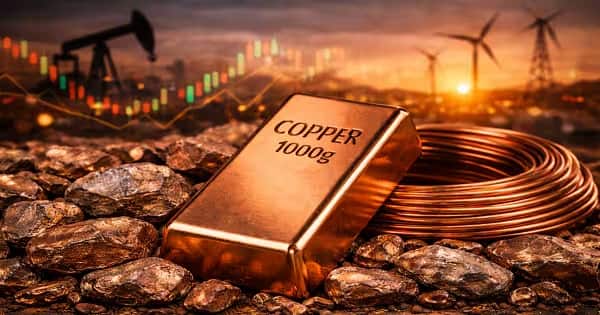
What Is Copper Investment?
Copper investment means gaining exposure to copper prices or the copper industry through different methods such as:
- Physical copper
- Copper mining company stocks
- Commodity trading
- Copper ETFs
- Futures contracts
Most investors do not buy physical copper directly because storage and transportation can be difficult. Instead, they invest through financial products linked to copper prices.
Why Copper Is Considered a Good Investment
Strong Industrial Demand
One of copper’s biggest strengths is real-world demand.
Copper is essential for:
- Electrical wiring
- Electric vehicles
- Renewable energy systems
- Construction projects
- Electronics manufacturing
- Industrial machinery
Modern economies rely heavily on copper infrastructure.
Growing Electric Vehicle Industry
The rise of electric vehicles is one of the biggest reasons many investors are bullish on copper.
Electric vehicles use much more copper than traditional petrol or diesel vehicles because of:
- Battery systems
- Charging infrastructure
- Electric motors
As EV adoption grows globally, copper demand could increase significantly.
Renewable Energy Expansion
Copper is heavily used in renewable energy systems including:
- Solar panels
- Wind turbines
- Power grids
- Energy storage infrastructure
The global push toward clean energy may support long-term copper demand.
Limited Supply Growth
Copper mining expansion is expensive and time-consuming.
New mining projects often face:
- Environmental restrictions
- Political risks
- High production costs
- Long development timelines
If demand grows faster than supply, copper prices may rise.
Inflation and Commodity Cycles
Commodities like copper sometimes perform well during inflationary periods and industrial growth cycles.
This makes copper attractive for diversification in certain economic conditions.
Why Copper Can Be Risky
Copper Prices Are Highly Volatile
Copper is strongly tied to the global economy.
During economic slowdowns or recessions, industrial demand may weaken and prices can fall sharply.
Commodity markets often experience major price swings.
Heavy Dependence on China
China is one of the largest consumers of copper globally.
Economic weakness or reduced industrial activity in China can strongly affect copper prices.
No Passive Income From Physical Copper
Unlike dividend-paying stocks or rental property, physical copper itself does not generate income.
Returns depend mainly on price appreciation.
Commodity Markets Are Cyclical
Copper tends to move in cycles.
Prices can remain weak for long periods if global manufacturing or infrastructure activity slows down.
Patience is important for commodity investors.
Mining Stocks Carry Extra Risks
Investing in copper mining companies introduces additional risks such as:
- Management problems
- Political instability
- Operational failures
- Environmental regulations
Mining stocks may not always move exactly with copper prices.
Copper vs Gold Investment
Gold Advantages
- Safer during crises
- Stronger wealth preservation
- Better safe-haven reputation
- Lower industrial dependence
Copper Advantages
- Industrial growth potential
- Renewable energy demand
- Infrastructure expansion opportunities
Gold is generally considered safer, while copper is more growth-oriented and economically sensitive.
Copper vs Silver
Silver Advantages
- Precious metal demand
- Investment demand
- Industrial use balance
Copper Advantages
- Greater infrastructure importance
- Stronger industrial dependence
- EV-related demand growth
Both metals benefit from industrial demand, but copper is more directly tied to economic growth.
Best Ways to Invest in Copper
Investors can gain copper exposure through:
- Copper ETFs
- Mining company stocks
- Commodity trading platforms
- Futures contracts
For most regular investors, ETFs and mining stocks are usually simpler than futures trading.
Who Should Consider Copper?
Copper may suit:
- Commodity investors
- Long-term growth-focused investors
- Investors bullish on EVs and clean energy
- Diversification-focused investors
- Investors comfortable with volatility
Who Should Avoid Copper?
Copper may not suit:
- Conservative investors
- People seeking guaranteed returns
- Investors uncomfortable with commodity cycles
- Short-term safety-focused investors
Important Reality About Commodity Investing
Commodity investing can be unpredictable.
Prices are affected by:
- Global economic growth
- Supply shortages
- Industrial demand
- Geopolitical tensions
- Currency movements
Copper can deliver strong gains during industrial booms but may struggle during recessions.
Final Verdict
Yes, copper can be a good investment for investors who believe in long-term industrial expansion, electric vehicle growth, and renewable energy development.
Copper has strong real-world demand and may benefit from future infrastructure trends. However, it is also a cyclical and volatile commodity heavily influenced by global economic conditions.
For many investors, copper works best as a diversification asset within a balanced portfolio rather than a standalone investment strategy.
FAQs
Q: Why is copper important for investing?
A: Copper is widely used in infrastructure, electronics, electric vehicles, and renewable energy systems.
Q: Can copper prices rise in the future?
A: Yes. Growing industrial and clean energy demand could support future copper prices.
Q: Is copper safer than gold?
A: No. Gold is generally considered more stable and defensive than copper.
Q: How can beginners invest in copper?
A: Many beginners prefer copper ETFs or mining stocks instead of physical copper or futures trading.
Q: Is copper a long-term investment?
A: Copper can work as a long-term industrial growth investment, but investors should expect volatility.